Selecting the right size air conditioner for your home is a crucial decision, especially in a place like Tucson where summer temperatures can soar. A properly sized unit not only ensures comfort but also contributes to energy efficiency and long-term cost savings. Understanding how to choose the right size air conditioning unit involves considering several factors, from your home's specific characteristics to the climate you live in.
Why Size Matters
An air conditioner that is too small will struggle to cool your space adequately, leading to increased energy consumption and wear on the system. Conversely, an oversized unit may cycle on and off too frequently, which can cause humidity problems and reduce its lifespan. Achieving the right balance is essential for optimal performance and comfort.
The Role of BTUs
The cooling capacity of an air conditioner is measured in British Thermal Units (BTUs). The higher the BTU rating, the more powerful the unit. For Tucson's climate, where high temperatures are common, understanding BTU requirements based on square footage is vital.
A basic rule of thumb suggests approximately 20 BTUs per square foot of living space. However, this guideline can vary based on several factors such as ceiling height, insulation quality, and sun exposure. For example, homes with high ceilings may require more BTUs due to increased air volume needing cooling.
Factors Affecting AC Size Selection
When determining the appropriate size for an air conditioner, consider these key factors:
1. Square Footage
The first step is calculating your home's square footage. Measure each room and sum them up to get a total area. This measurement serves as a foundation for estimating BTU needs.
2. Insulation Quality
Homes with better insulation retain cool air more effectively. If your home has been recently renovated or well-insulated, you might be able to decrease the required BTU calculation slightly since less energy will escape through walls or ceilings.
3. Sun Exposure
Consider how much sunlight enters your home during peak hours. South-facing windows typically receive more sun exposure than those on the north side. Homes with large windows or minimal shade may need additional cooling capacity to offset heat gain from sunlight.
4. Ceiling Height
Higher ceilings can mean more air volume that needs cooling; thus, you might need a unit with greater capacity if your rooms have ceilings over eight feet tall.
5. Number of Occupants
More people generate heat within a space; therefore, if your household has many members or frequent visitors, you should factor this into your calculations as well.
Calculating Your Needs
Once you've evaluated these factors, it's time to calculate the specific BTUs needed for your home using this formula:
Calculate Total Square Footage: Add up all living areas. Apply Basic BTU Estimate: Multiply total square footage by 20. Adjust Based on Additional Factors: Add or subtract BTUs based on insulation quality (e.g., add 10% for poor insulation), sun exposure (e.g., add 10-15% for south-facing rooms), and number of occupants (add about 600 BTUs per person beyond two).
For instance, if you have a 1,200-square-foot home with good insulation and some south-facing windows:
Base Calculation: 1,200 sq ft x 20 = 24,000 BTUs Adjustments: If you have one additional occupant (600 BTUs) and fair sun exposure (+15%), you might arrive at roughly 26,700 BTUs needed for effective cooling.While these calculations provide a solid starting point, consulting with an experienced HVAC contractor can yield tailored recommendations that account for specifics unique to your property.
Professional Guidance is Key
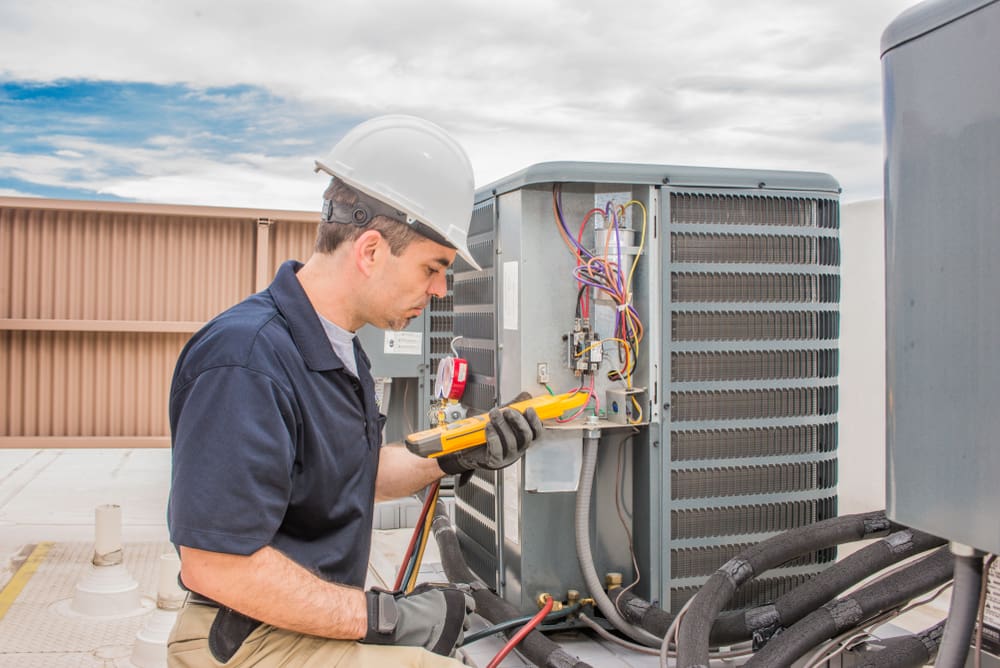
Finding an HVAC contractor in Tucson who understands local climate conditions can make all the difference in selecting an appropriately sized unit tailored to your home's needs. Professionals often perform detailed assessments using Manual J calculations—an industry-standard method that considers numerous variables beyond simple square footage estimates.
Moreover, expert guidance ensures that you're not only selecting the right size but also factoring in energy efficiency ratings like SEER (Seasonal Energy Efficiency Ratio). A higher SEER rating indicates greater efficiency levels which translate into lower energy bills over time—a critical consideration in Tucson's hot summers.
The Impact of Energy Efficiency
Investing in a larger unit may seem tempting if it promises immediate relief from heatwaves; however, opting for an energy-efficient model pays dividends down the road through reduced utility bills and fewer repairs or maintenance needs—critical points when considering AC repair in Tucson services later on.
Modern units come equipped with various features designed specifically for enhanced efficiency—such as programmable thermostats that allow homeowners to regulate temperatures according to their schedules or variable-speed compressors that adjust output based on current cooling demands rather than running at full blast continuously.
Common Misconceptions About Air Conditioning Size
Amidst all this information lies common misconceptions that sometimes lead homeowners astray regarding AC https://tailoredmechanical.com sizing decisions:
- Bigger is Always Better: As noted earlier, oversized units lead to short cycling issues which can increase humidity levels indoors. One Size Fits All: Every home has unique characteristics that affect its cooling requirements; thus blanket solutions rarely suffice. DIY Sizing is Sufficient: While DIY calculators exist online offering quick estimations based solely on square footage data alone—these rarely consider nuances such as insulation quality or local weather patterns effectively enough compared to professional evaluations.
Understanding these myths helps clarify why taking time upfront during selection saves hassle later down the line when dealing with HVAC companies in Tucson that handle repairs or replacements regularly due to sizing mistakes made initially without proper analysis involved beforehand!
Maintenance Considerations Post-Purchase
Once you've settled on an appropriately sized unit though comes another significant aspect—maintenance! Regular upkeep ensures longevity while preserving efficiency levels throughout its lifespan—a necessity given Tucson's demanding climate conditions year-round!
Schedule routine inspections at least once annually wherein professionals check refrigerant levels alongside cleaning coils ensuring optimal airflow exists within systems avoiding costly breakdowns down roads requiring emergency AC repair services instead preventing future headaches altogether!
Implementing simple practices such as changing filters regularly depending upon usage frequency keeps systems running smoothly along maintaining desired temperature settings effortlessly while lowering overall operational costs significantly over time too making them worthwhile investments indeed!
Final Thoughts
Choosing the right size air conditioner requires careful consideration of various factors including square footage, insulation quality and local climate conditions prevalent here in Southern Arizona bringing significant implications towards comfort level achieved after installation occurs!
Relying upon professional support simplifies decision-making processes involved allowing access towards industry best practices ensuring maximum return value derived from investments made ultimately resulting improved satisfaction enjoyed long term through cooler summers ahead!
By understanding how sizing impacts overall functionality coupled alongside proper maintenance routines followed thereafter homeowners position themselves proactively tackling potential challenges encountered down roads successfully safeguarding their comforts amidst relentless desert heat outside!